
- Injectable Steroids
- Boldenone Undecylenate
- Dihydroboldenone Cypionate
- Dihydrotestosterone
- Drostanolone Enanthate
- Masteron Enanthate
- Drostanolone Propionate
- Masteron Propionate
- Methandrostenolone
- Methenolone Acetate
- Methenolone Enanthate
- Methyldrostanolone
- Mix Steros
- Nandrolone Decanoate
- Nandrolone Phenylpropionate
- Propionate Testosterone
- Testosterone Base
- Testosterone Compound
- Testosterone Cypionate
- Testosterone Enanthate
- Testosterone Suspension
- Testosterone Mix
- Testosterone Propionate
- Testosterone Undecanoate
- Trenbolone Acetate
- Trenbolone Enanthate
- Trenbolone Mix
- Trenbolone Hexahydrobenzylcarbonate
- Tri Testosterone
- Trestolone Acetate
- Tri Trenbolone
- Oral Steroids
- Anti Estrogen
- HGH / HCG
- Peptides
- Weight Loss
- Sex Pills
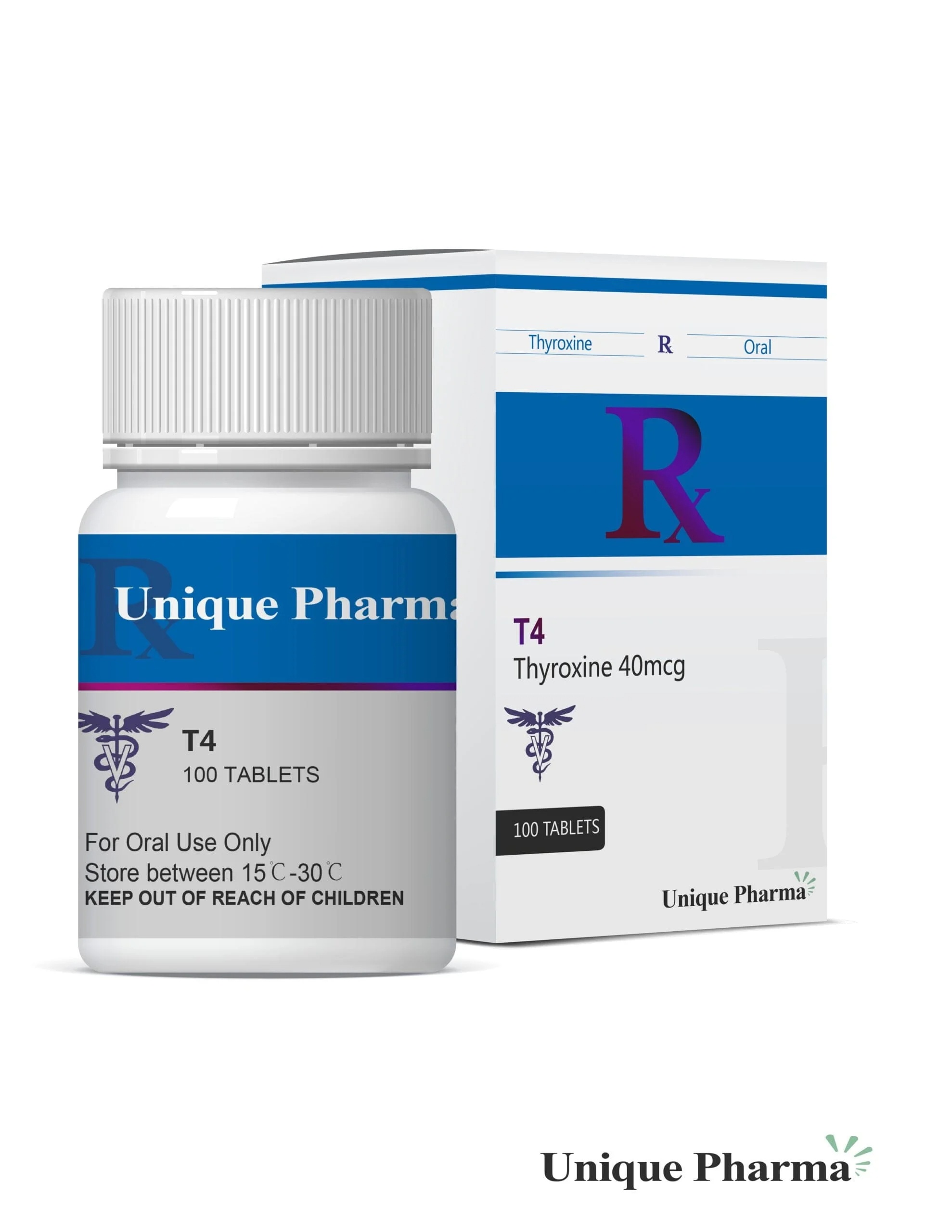
T4 – 40 mcg-100 tabs
$50.00
Description
Levothyroxine Sodium: Uses, Benefits, Dosage, Side Effects & Precautions
Levothyroxine sodium is a widely prescribed medication used to treat hypothyroidism, a condition in which the thyroid gland does not produce enough thyroid hormones. It is a synthetic form of thyroxine (T4), a hormone naturally produced by the thyroid that plays a vital role in regulating metabolism, energy levels, and overall bodily function.
What Is Levothyroxine Sodium?
Levothyroxine sodium is a thyroid hormone replacement therapy that helps restore normal hormone levels in the body. By replacing deficient thyroid hormones, it supports essential processes such as heart function, digestion, muscle control, and brain development.
It is commonly available under brand names such as Synthroid®, Levoxyl®, Euthyrox®, and Unithroid®, as well as in generic form.
Uses of Levothyroxine Sodium
Levothyroxine sodium is primarily used for:
-
Treatment of hypothyroidism
-
Management of congenital hypothyroidism
-
Thyroid hormone replacement after thyroid surgery
-
Treatment or prevention of goiter
-
Adjunct therapy in certain thyroid cancers
By normalizing thyroid hormone levels, it helps reduce symptoms such as fatigue, weight gain, cold sensitivity, depression, and dry skin.
How Levothyroxine Sodium Works
Levothyroxine sodium mimics the natural T4 hormone, which is converted in the body to triiodothyronine (T3)—the active form that regulates metabolism. This process helps maintain normal physiological balance and supports long-term thyroid health.
Dosage and Administration
-
Levothyroxine sodium is typically taken once daily, preferably on an empty stomach, 30–60 minutes before breakfast.
-
Dosage is individualized based on age, body weight, medical condition, and laboratory results.
-
Consistent daily use is essential for optimal effectiveness.
⚠️ Always follow your healthcare provider’s instructions and do not adjust the dose without medical guidance.
Possible Side Effects
When taken at the correct dose, levothyroxine sodium is generally well tolerated. However, side effects may occur if the dose is too high, including:
-
Rapid or irregular heartbeat
-
Nervousness or anxiety
-
Insomnia
-
Weight loss
-
Excessive sweating
-
Tremors
Seek medical attention if you experience severe or persistent symptoms.
Precautions and Warnings
-
Not intended for weight loss or obesity treatment
-
Use caution in patients with heart disease, osteoporosis, or adrenal disorders
-
Certain medications, supplements, and foods may interfere with absorption
-
Regular thyroid function tests are recommended to monitor effectiveness
Always inform your healthcare provider about other medications or supplements you are taking.
Drug Interactions
Levothyroxine sodium may interact with:
-
Calcium or iron supplements
-
Antacids
-
Cholesterol-lowering medications
-
Certain antidepressants
-
Blood thinners
To avoid interactions, take these products at least 4 hours apart unless otherwise advised.
Storage Instructions
-
Store at room temperature
-
Protect from light, heat, and moisture
-
Keep out of reach of children
Frequently Asked Questions (FAQs)
How long does levothyroxine sodium take to work?
Improvement in symptoms may be noticed within 1–2 weeks, but full effects can take 6–8 weeks.
Is levothyroxine sodium safe for long-term use?
Yes, when monitored regularly by a healthcare provider, it is safe and effective for long-term treatment.
Additional information
| Packaging | 100 Tabs in a Box |
|---|---|
| Strength | 40mcg |
Reviews (0)
Related products

INTERNATIONAL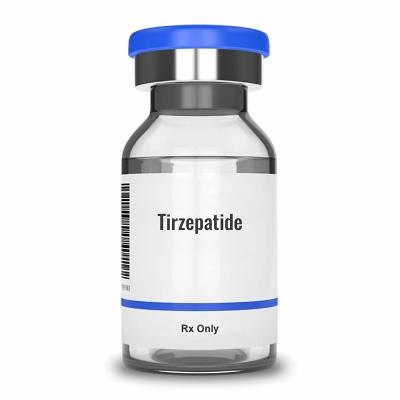
-24%
Tirzepatide – 20mg – 10 Vials
Original price was: $340.00.$260.00Current price is: $260.00.
INTERNATIONAL
-20%
Tirzepatide – 40mg – 10 Vials
Original price was: $550.00.$440.00Current price is: $440.00.
INTERNATIONAL
-31%
Tirzepatide – 5mg – 10 Vials
Original price was: $210.00.$145.00Current price is: $145.00.
INTERNATIONAL
-23%
Reviews
There are no reviews yet.