
- Injectable Steroids
- Boldenone Undecylenate
- Dihydroboldenone Cypionate
- Dihydrotestosterone
- Drostanolone Enanthate
- Masteron Enanthate
- Drostanolone Propionate
- Masteron Propionate
- Methandrostenolone
- Methenolone Acetate
- Methenolone Enanthate
- Methyldrostanolone
- Mix Steros
- Nandrolone Decanoate
- Nandrolone Phenylpropionate
- Propionate Testosterone
- Testosterone Base
- Testosterone Compound
- Testosterone Cypionate
- Testosterone Enanthate
- Testosterone Suspension
- Testosterone Mix
- Testosterone Propionate
- Testosterone Undecanoate
- Trenbolone Acetate
- Trenbolone Enanthate
- Trenbolone Mix
- Trenbolone Hexahydrobenzylcarbonate
- Tri Testosterone
- Trestolone Acetate
- Tri Trenbolone
- Oral Steroids
- Anti Estrogen
- HGH / HCG
- Peptides
- Weight Loss
- Sex Pills
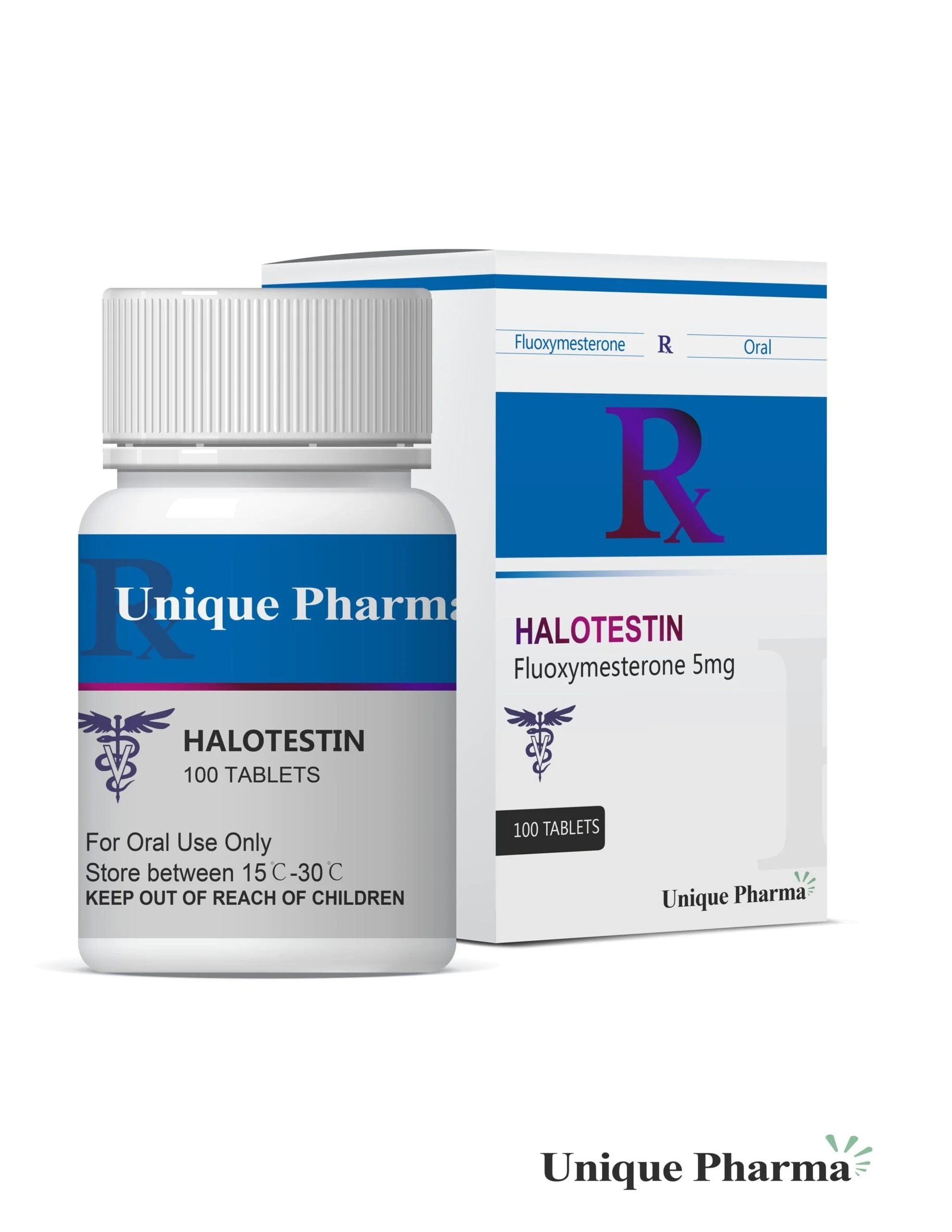

Halotestin – 5mg – 100tabs
$107.00
Description
Fluoxymesterone: Uses, Benefits, Side Effects, and Safety Information
Fluoxymesterone is a synthetic androgen and anabolic steroid that was originally developed for specific medical applications. It is widely known under the brand name Halotestin and is recognized for its strong androgenic properties. Due to its potency, fluoxymesterone is classified as a prescription-only medication in many countries.
This page provides a clear, factual overview of fluoxymesterone, including its medical uses, mechanism of action, potential risks, and legal considerations.
What Is Fluoxymesterone?
Fluoxymesterone is an orally active anabolic-androgenic steroid (AAS) derived from testosterone. It was designed to increase androgenic activity while maintaining resistance to liver metabolism, allowing it to be effective in tablet form.
Because of its strength and side-effect profile, fluoxymesterone is typically prescribed only in limited medical situations and under close supervision.
Medical Uses of Fluoxymesterone
Historically, fluoxymesterone has been prescribed for conditions such as:
-
Male hypogonadism (testosterone deficiency)
-
Delayed puberty in males (in select cases)
-
Certain types of breast cancer in women
-
Muscle-wasting conditions associated with chronic illness
Its medical use has declined over time due to the availability of safer alternatives.
How Fluoxymesterone Works
Fluoxymesterone works by binding to androgen receptors, mimicking the effects of natural testosterone. This interaction influences:
-
Protein synthesis
-
Muscle tissue development
-
Red blood cell production
-
Secondary male sexual characteristics
Its chemical structure makes it highly androgenic, which explains both its effectiveness and its increased risk of side effects.
Potential Side Effects
Like all anabolic-androgenic steroids, fluoxymesterone carries significant risks, especially when misused or taken without medical supervision.
Possible side effects include:
-
Liver toxicity (hepatotoxicity)
-
Hormonal imbalance
-
Cardiovascular strain
-
Acne and oily skin
-
Mood changes and aggression
-
Suppression of natural testosterone production
-
Virilization in women
Long-term or unsupervised use can increase the likelihood of serious health complications.
Safety and Precautions
Fluoxymesterone should only be used if prescribed by a qualified healthcare professional. Regular medical monitoring is essential to assess liver function, hormone levels, and overall health.
It is not recommended for individuals with:
-
Liver disease
-
Prostate or breast cancer (unless specifically indicated)
-
Cardiovascular conditions
-
Hormonal disorders without medical oversight
Legal Status of Fluoxymesterone
The legal status of fluoxymesterone varies by country. In many regions, it is classified as a controlled substance, making unauthorized possession or distribution illegal.
Always check local laws and regulations before handling or discussing prescription medications.
Frequently Asked Questions (FAQ)
Is fluoxymesterone the same as testosterone?
No. While it is derived from testosterone, fluoxymesterone is a modified synthetic compound with much stronger androgenic effects.
Is fluoxymesterone still prescribed today?
Yes, but only rarely and for specific medical conditions due to its side-effect profile.
Can fluoxymesterone be taken orally?
Yes. One of its defining characteristics is oral bioavailability, but this also contributes to liver stress.
Additional information
| Packaging | 100 Tabs in a Box |
|---|---|
| Strength | 5mg |
Reviews (0)





Reviews
There are no reviews yet.