
- Injectable Steroids
- Boldenone Undecylenate
- Dihydroboldenone Cypionate
- Dihydrotestosterone
- Drostanolone Enanthate
- Masteron Enanthate
- Drostanolone Propionate
- Masteron Propionate
- Methandrostenolone
- Methenolone Acetate
- Methenolone Enanthate
- Methyldrostanolone
- Mix Steros
- Nandrolone Decanoate
- Nandrolone Phenylpropionate
- Propionate Testosterone
- Testosterone Base
- Testosterone Compound
- Testosterone Cypionate
- Testosterone Enanthate
- Testosterone Suspension
- Testosterone Mix
- Testosterone Propionate
- Testosterone Undecanoate
- Trenbolone Acetate
- Trenbolone Enanthate
- Trenbolone Mix
- Trenbolone Hexahydrobenzylcarbonate
- Tri Testosterone
- Trestolone Acetate
- Tri Trenbolone
- Oral Steroids
- Anti Estrogen
- HGH / HCG
- Peptides
- Weight Loss
- Sex Pills
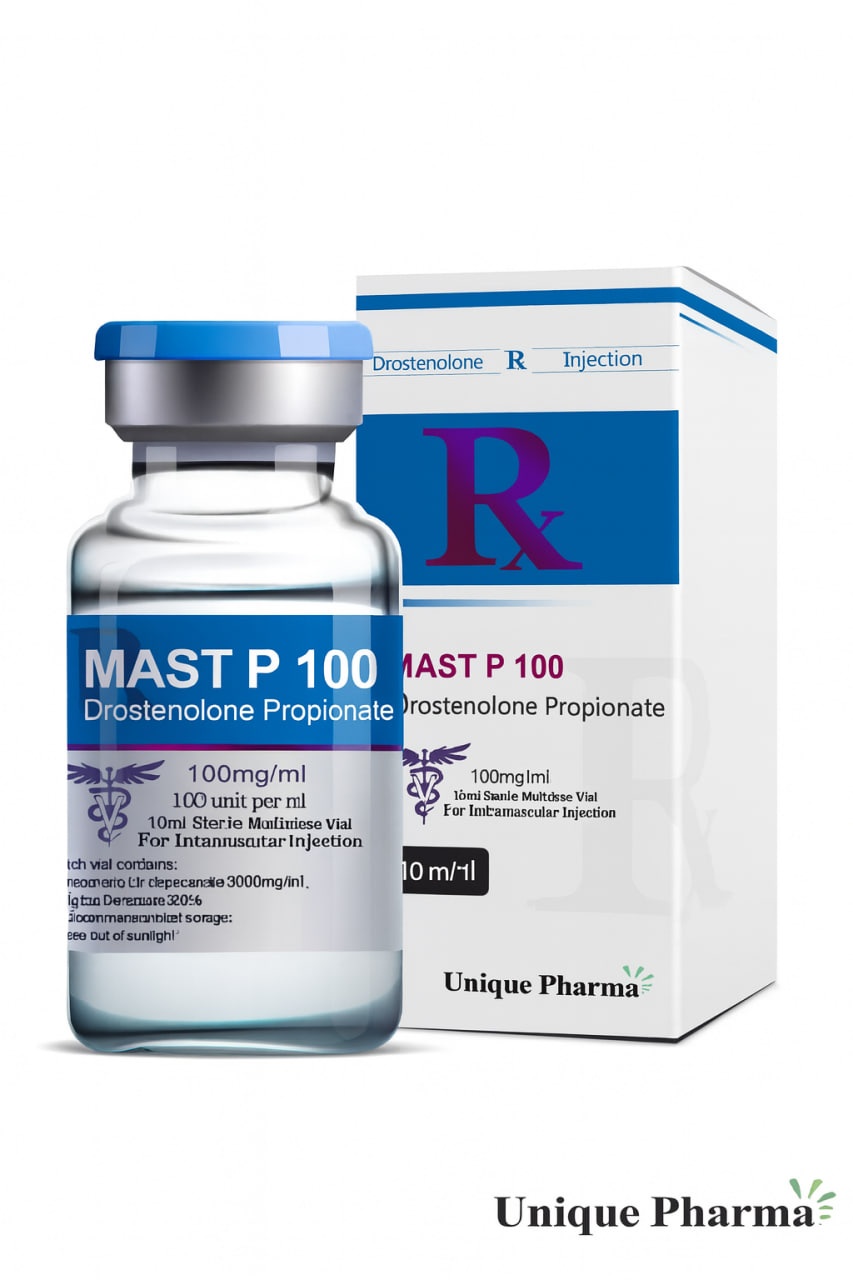
Mast P – 100mg – 10ml
$61.00
Description
Drostanolone Propionate: Overview, Benefits, and Key Facts
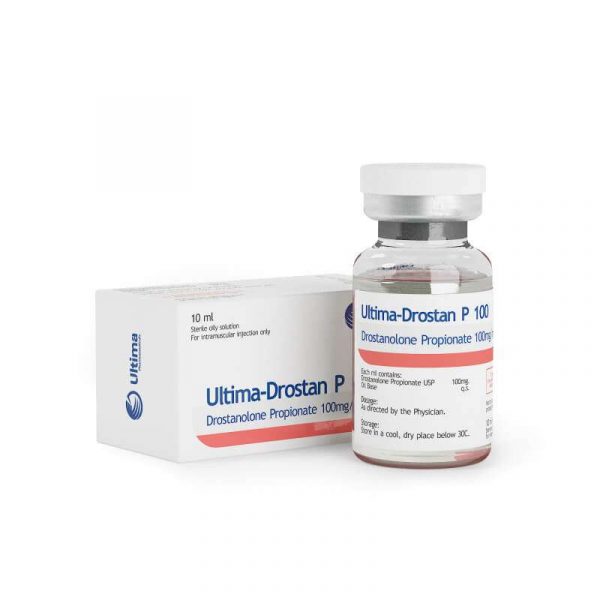
Drostanolone Propionate is a synthetic anabolic-androgenic steroid (AAS) derived from dihydrotestosterone (DHT). It is widely known in medical literature and sports science for its anti-estrogenic characteristics and its historical use in clinical settings. Today, it is most often discussed in educational and research contexts related to performance-enhancing substances.
What Is Drostanolone Propionate?
Drostanolone Propionate is the short-ester version of Drostanolone, designed for rapid absorption and a relatively short active life in the body. It was originally developed for medical purposes, particularly in the treatment of certain hormone-responsive conditions.
Key characteristics:
-
DHT-derived anabolic compound
-
Does not aromatize into estrogen
-
Known for its strong androgenic profile
-
Short ester with fast onset of action
How Drostanolone Propionate Works
Drostanolone Propionate binds strongly to androgen receptors, influencing protein synthesis and nitrogen retention. Due to its DHT base, it exhibits anti-estrogenic activity, meaning it does not convert into estrogen and may counter estrogen-related effects at a biochemical level.
This mechanism is why it has historically been associated with:
-
Enhanced muscle hardness and density
-
Reduced water retention
-
A “dry” physical appearance in research observations
Notable Properties
-
Non-aromatizing: Does not convert to estrogen
-
Anti-estrogenic nature: Structurally resists estrogenic activity
-
Short half-life: Requires frequent administration in clinical research contexts
-
High androgen receptor affinity
Medical and Historical Background
Drostanolone was first introduced in the late 1950s and was clinically prescribed in some countries for breast cancer treatment due to its anti-estrogenic effects. Over time, medical use declined as newer therapies became available.
Today, it is primarily referenced in:
-
Pharmacological research
-
Anti-doping education
-
Sports medicine literature
Potential Risks and Side Effects
Like all anabolic-androgenic steroids, Drostanolone Propionate carries potential risks. These effects are well-documented in scientific and medical studies.
Possible adverse effects include:
-
Hormonal imbalance
-
Androgenic side effects (e.g., skin and hair changes)
-
Cardiovascular strain
-
Liver stress (though lower than some oral AAS)
-
Suppression of natural testosterone production
Long-term or unsupervised exposure increases health risks.
Legal Status and Testing
The legal status of Drostanolone Propionate varies by country. In many regions, it is classified as a controlled substance and is prohibited without medical authorization.
-
Listed by WADA (World Anti-Doping Agency)
-
Detectable in anti-doping tests
-
Banned in competitive sports
Always check local laws and regulations before researching or handling controlled substances.
Additional information
| Packaging | 10ml of Vial in a Box |
|---|---|
| Strength | 100mg |
Reviews (0)
Reviews
There are no reviews yet.