
- Injectable Steroids
- Boldenone Undecylenate
- Dihydroboldenone Cypionate
- Dihydrotestosterone
- Drostanolone Enanthate
- Masteron Enanthate
- Drostanolone Propionate
- Masteron Propionate
- Methandrostenolone
- Methenolone Acetate
- Methenolone Enanthate
- Methyldrostanolone
- Mix Steros
- Nandrolone Decanoate
- Nandrolone Phenylpropionate
- Propionate Testosterone
- Testosterone Base
- Testosterone Compound
- Testosterone Cypionate
- Testosterone Enanthate
- Testosterone Suspension
- Testosterone Mix
- Testosterone Propionate
- Testosterone Undecanoate
- Trenbolone Acetate
- Trenbolone Enanthate
- Trenbolone Mix
- Trenbolone Hexahydrobenzylcarbonate
- Tri Testosterone
- Trestolone Acetate
- Tri Trenbolone
- Oral Steroids
- Anti Estrogen
- HGH / HCG
- Peptides
- Weight Loss
- Sex Pills
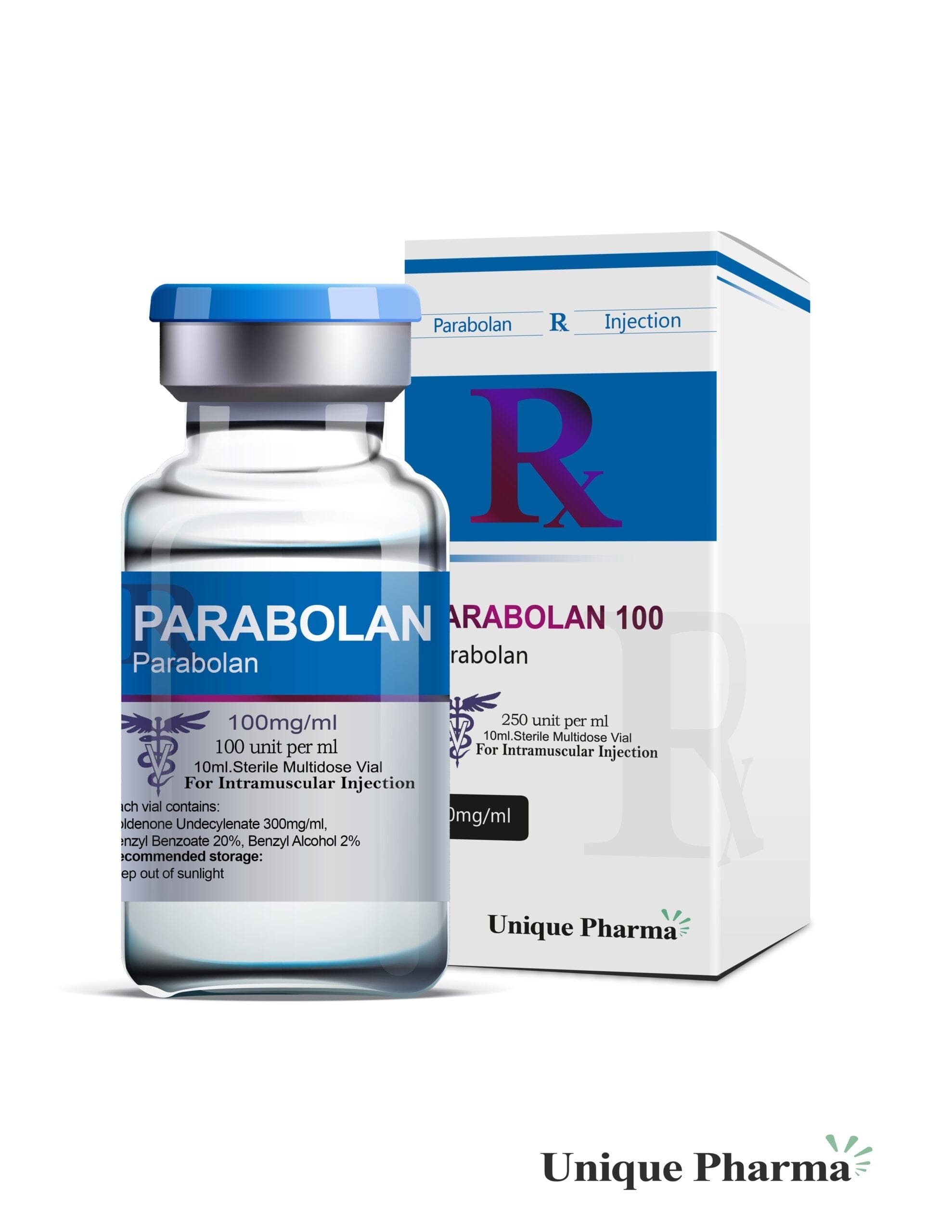
Parabolan – 100mg – 10ml
$80.00
Description
Trenbolone Hexahydrobenzylcarbonate (Parabolan): Complete Overview
Trenbolone Hexahydrobenzylcarbonate, commonly known as Parabolan, is a long-acting ester of trenbolone that has gained attention in discussions around anabolic compounds. Originally developed for veterinary purposes, it is often referenced in fitness and bodybuilding circles for its potent anabolic properties.
This guide provides an educational overview of Trenbolone Hexahydrobenzylcarbonate, including its characteristics, potential effects, risks, and legal considerations.
What Is Trenbolone Hexahydrobenzylcarbonate?
Trenbolone Hexahydrobenzylcarbonate is an esterified form of trenbolone, designed to release slowly into the bloodstream. The hexahydrobenzylcarbonate ester extends the compound’s activity, resulting in a longer half-life compared to shorter trenbolone variants.
It was historically marketed under the brand name Parabolan and is known for its strong binding affinity to androgen receptors.
Key Characteristics
-
Compound Type: Anabolic–androgenic steroid
-
Ester: Hexahydrobenzylcarbonate (long-acting)
-
Release Profile: Slow and sustained
-
Anabolic Rating: Very high
-
Androgenic Activity: Significant
Because of its long ester, Trenbolone Hexahydrobenzylcarbonate is often discussed as requiring less frequent administration compared to short-ester alternatives.
Commonly Discussed Effects
In educational and scientific discussions, Trenbolone Hexahydrobenzylcarbonate is often associated with:
-
Increased nitrogen retention
-
Enhanced protein synthesis
-
Improved feed efficiency (in veterinary contexts)
-
Strong anabolic activity relative to testosterone
It does not aromatize into estrogen, which differentiates it from many other anabolic compounds.
Potential Side Effects and Risks
Like all anabolic–androgenic steroids, Trenbolone Hexahydrobenzylcarbonate carries significant risks, especially when misused or used without medical supervision. Potential concerns include:
-
Hormonal suppression
-
Cardiovascular strain
-
Elevated blood pressure
-
Adverse lipid profile changes
-
Androgenic side effects
Long-term or unsupervised use may increase the likelihood of serious health complications.
Legal Status and Safety Considerations
Trenbolone Hexahydrobenzylcarbonate is not approved for human medical use in many countries and is often classified as a controlled or prescription-only substance. Laws vary by region, so it is essential to understand local regulations before handling or discussing distribution.
This compound should only be referenced for educational, research, or veterinary history purposes, in compliance with applicable laws.
Trenbolone Hexahydrobenzylcarbonate vs Other Trenbolone Esters
| Ester Type | Release Speed | Duration |
|---|---|---|
| Acetate | Fast | Short |
| Enanthate | Moderate | Medium |
| Hexahydrobenzylcarbonate | Slow | Long |
The hexahydrobenzylcarbonate ester is known for its extended activity window, which differentiates it from faster-acting forms.
Frequently Asked Questions (FAQ)
Is Trenbolone Hexahydrobenzylcarbonate the same as Parabolan?
Yes, Parabolan was the original pharmaceutical name for Trenbolone Hexahydrobenzylcarbonate.
Does it convert to estrogen?
No, trenbolone does not aromatize into estrogen.
Is it approved for human use?
In most countries, it is not approved for human medical use.
Additional information
| Packaging | 10ml of Vial in a Box |
|---|---|
| Strength | 100mg |
Reviews (0)
Reviews
There are no reviews yet.