
- Injectable Steroids
- Boldenone Undecylenate
- Dihydroboldenone Cypionate
- Dihydrotestosterone
- Drostanolone Enanthate
- Masteron Enanthate
- Drostanolone Propionate
- Masteron Propionate
- Methandrostenolone
- Methenolone Acetate
- Methenolone Enanthate
- Methyldrostanolone
- Mix Steros
- Nandrolone Decanoate
- Nandrolone Phenylpropionate
- Propionate Testosterone
- Testosterone Base
- Testosterone Compound
- Testosterone Cypionate
- Testosterone Enanthate
- Testosterone Suspension
- Testosterone Mix
- Testosterone Propionate
- Testosterone Undecanoate
- Trenbolone Acetate
- Trenbolone Enanthate
- Trenbolone Mix
- Trenbolone Hexahydrobenzylcarbonate
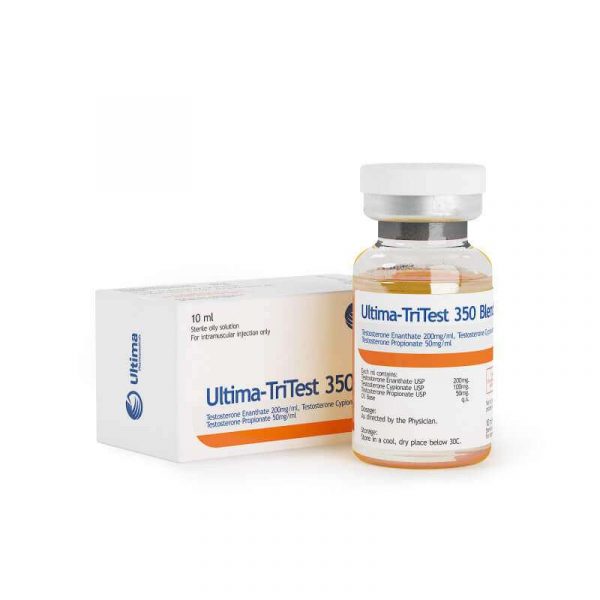
- Tri Testosterone
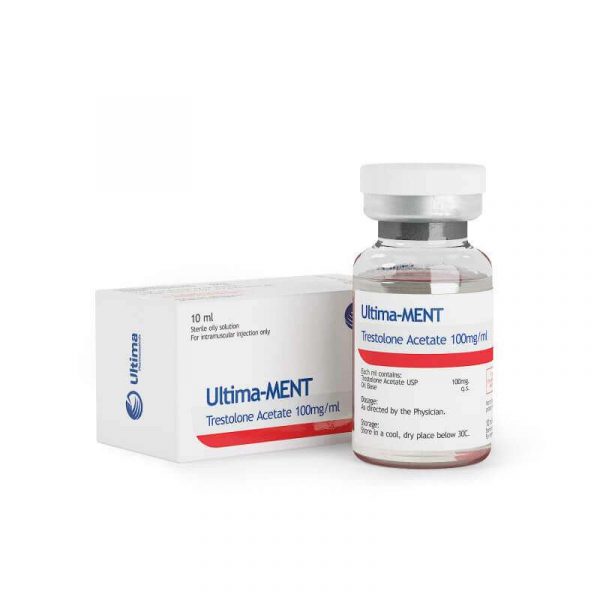
- Trestolone Acetate
- Tri Trenbolone
- Oral Steroids
- Anti Estrogen
- HGH / HCG
- Peptides
- Weight Loss
- Sex Pills
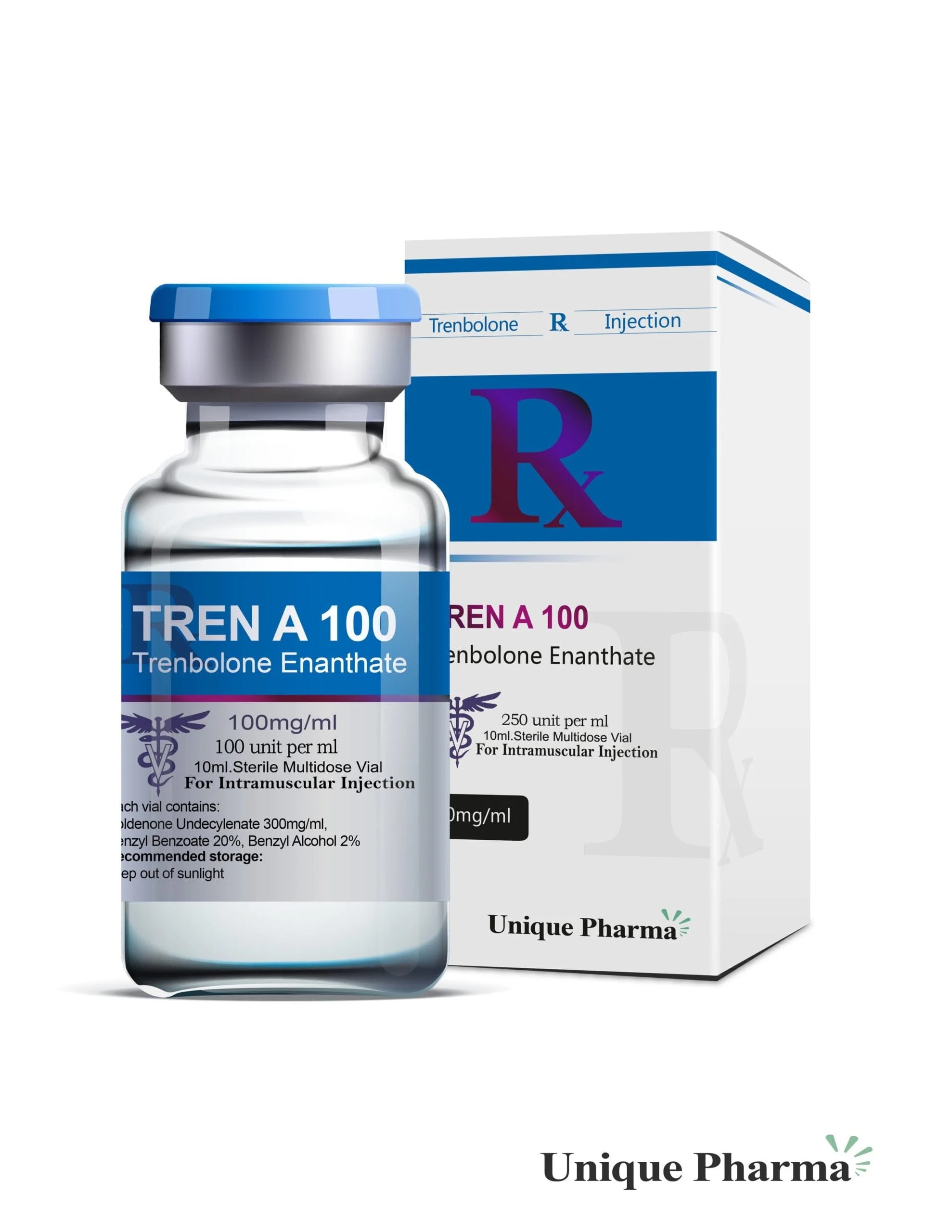
Tren A – 100mg – 10ml
$61.00
Description
Trenbolone Acetate: Overview, Benefits, Risks, and Legal Status
Trenbolone Acetate is a powerful synthetic anabolic compound originally developed for veterinary use, primarily to promote muscle growth and appetite in livestock. Over time, it has gained attention in bodybuilding and strength sports due to its reputation for enhancing muscle mass, strength, and physical conditioning.
This article provides a clear, educational overview of Trenbolone Acetate, including how it works, commonly discussed effects, potential risks, and important legal considerations.
What Is Trenbolone Acetate?
Trenbolone Acetate is a fast-acting ester of trenbolone, a synthetic anabolic-androgenic compound derived from nandrolone. The acetate ester allows for quicker activity in the body compared to longer-acting versions.
Key characteristics:
-
Synthetic anabolic compound
-
High anabolic and androgenic activity
-
Originally designed for veterinary applications
-
Not approved for human medical use in most countries
How Trenbolone Acetate Works
Trenbolone Acetate interacts strongly with androgen receptors, which play a key role in muscle protein synthesis and nitrogen retention. These mechanisms are often associated with increases in muscle density and strength.
Commonly discussed biological effects include:
-
Enhanced nitrogen retention in muscle tissue
-
Increased red blood cell production
-
Improved nutrient utilization
-
Strong binding affinity to androgen receptors
Commonly Reported Effects
In fitness and bodybuilding discussions, Trenbolone Acetate is often associated with the following outcomes (reported anecdotally, not medically approved):
-
Increased lean muscle mass
-
Enhanced muscular hardness and definition
-
Improved strength and physical performance
-
Reduced water retention compared to some other anabolic compounds
⚠️ These effects are frequently discussed in non-medical contexts and are not approved health claims.
Potential Side Effects and Health Risks
Trenbolone Acetate is known for a high side-effect profile, especially when misused. Possible risks may include:
-
Hormonal imbalance
-
Cardiovascular strain
-
Elevated blood pressure
-
Changes in cholesterol levels
-
Sleep disturbances
-
Mood and behavioral changes
-
Suppression of natural hormone production
Due to these risks, medical supervision and legal compliance are critical considerations.
Additional information
| Packaging | 10ml of Vial in a Box |
|---|---|
| Strength | 100mg |
Reviews (0)
Reviews
There are no reviews yet.