
- Injectable Steroids
- Boldenone Undecylenate
- Dihydroboldenone Cypionate
- Dihydrotestosterone
- Drostanolone Enanthate
- Masteron Enanthate
- Drostanolone Propionate
- Masteron Propionate
- Methandrostenolone
- Methenolone Acetate
- Methenolone Enanthate
- Methyldrostanolone
- Mix Steros
- Nandrolone Decanoate
- Nandrolone Phenylpropionate
- Propionate Testosterone
- Testosterone Base
- Testosterone Compound
- Testosterone Cypionate
- Testosterone Enanthate
- Testosterone Suspension
- Testosterone Mix
- Testosterone Propionate
- Testosterone Undecanoate
- Trenbolone Acetate
- Trenbolone Enanthate
- Trenbolone Mix
- Trenbolone Hexahydrobenzylcarbonate
- Tri Testosterone
- Trestolone Acetate
- Tri Trenbolone
- Oral Steroids
- Anti Estrogen
- HGH / HCG
- Peptides
- Weight Loss
- Sex Pills
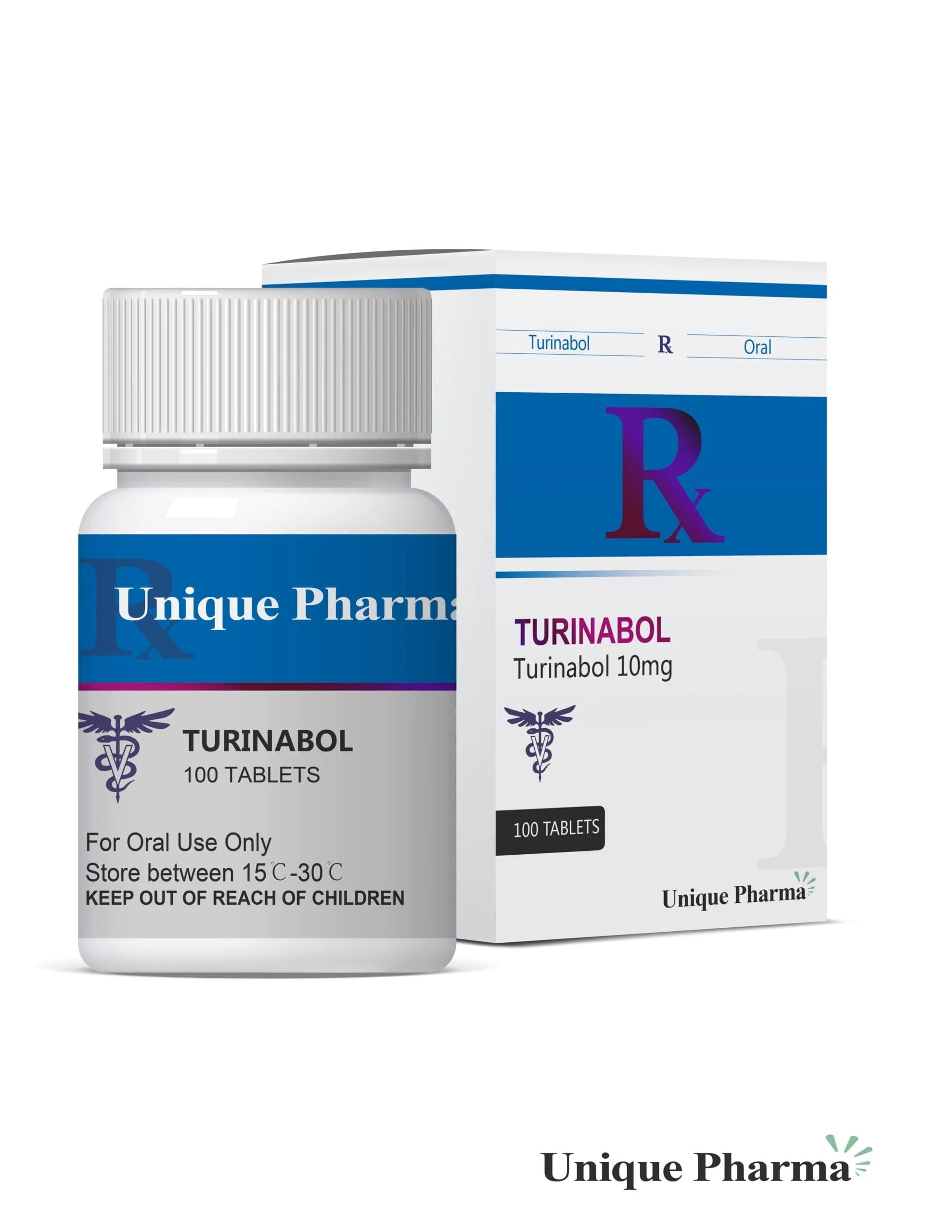
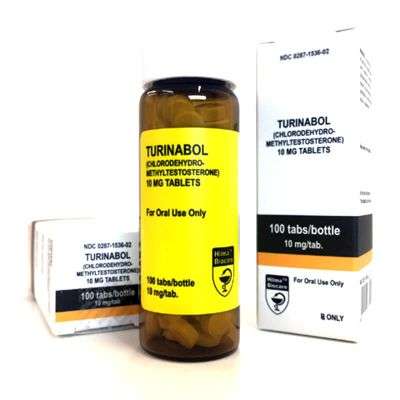
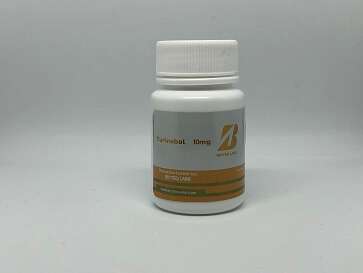
Turinabol -10mg – 100tabs
$56.00
Description
Turinabol (Chlorodehydromethyltestosterone): Complete Guide & Information
What Is Turinabol?
Turinabol, scientifically known as Chlorodehydromethyltestosterone, is a synthetic anabolic steroid originally developed in the 1960s. It gained historical attention due to its use in professional sports and bodybuilding for performance enhancement. Today, Turinabol is widely discussed for its unique anabolic properties and comparatively mild androgenic profile.
History of Turinabol
Turinabol was first developed in East Germany as part of a state-sponsored athletic program. Its chemical structure is derived from Dianabol but modified to reduce estrogenic effects. This made it appealing to athletes seeking strength and performance improvements without excessive water retention.
How Turinabol Works
Turinabol promotes protein synthesis and nitrogen retention in muscle tissue, which are key factors for muscle development and physical performance. Unlike some other anabolic compounds, it does not convert to estrogen, which explains its reputation for producing “dry” and lean muscle gains.
Potential Benefits Discussed
Athletes and researchers often associate Turinabol with:
-
Increased lean muscle mass
-
Improved strength and endurance
-
Enhanced muscle hardness and definition
-
Minimal water retention compared to similar compounds
These characteristics have contributed to its popularity in discussions around physique development.
Side Effects and Health Considerations
Despite its perceived mild nature, Turinabol carries potential health risks, including:
-
Liver stress due to its oral formulation
-
Suppression of natural testosterone production
-
Negative impact on cholesterol levels
-
Possible cardiovascular strain
Long-term or unsupervised use may increase these risks significantly.
Additional information
| Packaging | 100 Tabs in a Box |
|---|---|
| Strength | 10mg |
Reviews (0)
Reviews
There are no reviews yet.